Learn how telehealth for complex chronic care creates space for deeper review, individualized plans, and ongoing support for multi-system concerns today.
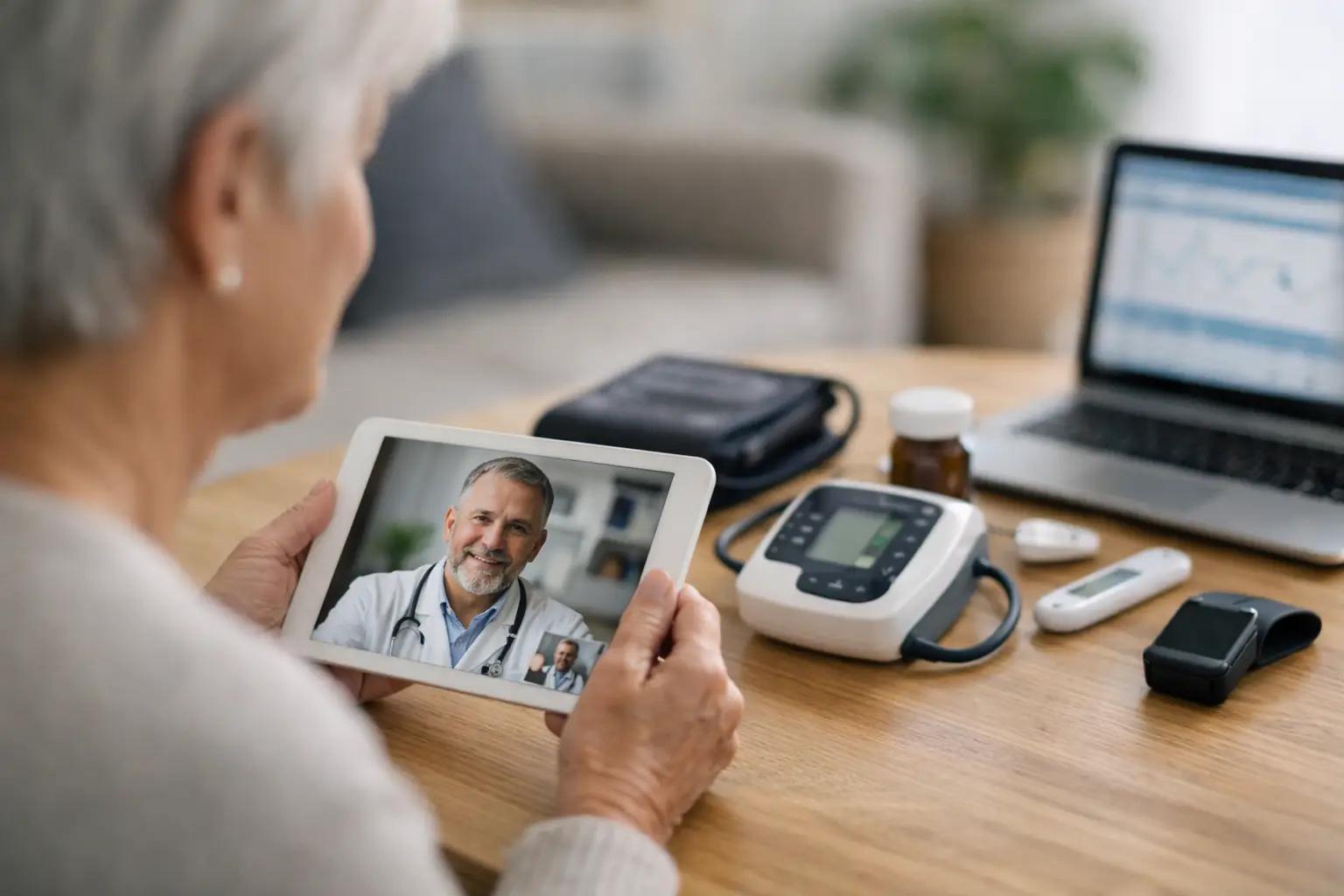
When you have spent years moving from one short appointment to another, another video visit may sound like more of the same. But telehealth for complex chronic care can look very different when it is built around long-form listening, detailed case review, and a practitioner who understands that fatigue, digestive distress, hormone shifts, immune concerns, and brain fog may be connected.
For many people, the most frustrating words in health care are, “Your labs are normal,” when they do not feel normal at all. They may have been told to wait, manage one symptom at a time, or simply accept that nothing more can be explored. A thoughtful telehealth visit creates room for a broader conversation: what changed, what has been tried, what patterns repeat, and what may be influencing the whole picture.
Complex chronic concerns rarely fit neatly into a 10-minute conversation. Someone dealing with recurring digestive discomfort may also be navigating low energy, disrupted sleep, skin changes, anxious feelings, irregular cycles, or a history of tick exposure. Looking at each concern separately can miss the patterns that matter.
A naturopathic perspective starts by asking how the body’s systems may be influencing one another. Gut function can affect nutrient status and immune signaling. Ongoing stress can influence sleep, energy, digestion, and hormonal rhythms. Thyroid-related concerns can overlap with changes in mood, metabolism, and bowel regularity. These relationships do not mean every issue has one simple cause. They do mean a more complete review is often worthwhile.
This is especially relevant for people who have already seen several specialists and still do not have a clear path forward. Their prior records, symptom timeline, current routines, and earlier lab work may hold useful context. Telehealth does not make a complex case simple. It can make it easier to spend the time needed to organize the story.
The value of telehealth is not just convenience. For people with chronic fatigue, pain, digestive urgency, dizziness, or limited stamina, eliminating a long drive can make it more realistic to show up focused and prepared. Nationwide virtual visits can also connect patients with practitioners whose areas of focus better match their concerns, subject to state availability and current professional requirements.
A well-structured virtual consultation allows for the same core elements that make complex care meaningful: unhurried conversation, review of relevant history, careful consideration of available lab work, and an individualized plan with clear next steps. It also gives patients time to explain what has been overlooked, rather than trying to compress years of health changes into a few minutes.
For Dr. Mychael Seubert’s practice, this whole-person approach is particularly relevant to people navigating chronic Lyme and tick-borne illness, IBS and SIBO patterns, ulcerative colitis, reflux, thyroid and autoimmune concerns, perimenopause, adrenal stress, and persistent fatigue. As an ILADS-trained, GastroANP-affiliated naturopathic doctor, Dr. Seubert considers the connections among digestive, immune, endocrine, and lifestyle factors rather than reducing a person to one label or one body system.
A meaningful initial telehealth consultation is not a checklist of isolated complaints. It is a conversation about sequence and context. When did energy change? Did digestive symptoms appear before or after a major stressor? Are symptoms different across the month? What happens after certain meals, during travel, or after poor sleep? Which approaches felt helpful, unhelpful, or incomplete?
These details can reveal patterns that a single lab value cannot show on its own. They also help identify practical starting points that fit a person’s capacity, food preferences, schedule, and priorities. An ideal plan should not require someone already exhausted to overhaul every part of life overnight.
Many complex-care patients arrive with folders of prior blood work, imaging summaries, specialist notes, and supplement lists. The challenge is often not a lack of information. It is that no one has had the time to look at how the pieces relate.
Advanced lab interpretation may assist in identifying areas that warrant closer attention within the larger clinical picture. Context matters. A value that falls within a broad reference range may still be worth discussing alongside symptoms, trends over time, nutrient intake, digestive function, stress load, and hormonal stage of life. The goal is not to chase numbers. It is to use available information more intelligently.
Telehealth works best when the visit is intentional. Before an appointment, it can help to create a simple timeline of major health changes, current concerns, medications and supplements, and questions you do not want to forget. This does not need to be polished. A few notes can prevent the most important details from getting lost once the conversation begins.
It also helps to choose a quiet place where you can speak openly and take notes. Complex cases often involve more than one body system, and it is reasonable to ask why a particular step is being suggested, what the expected timeline may be, and how progress will be reviewed. Clear communication is part of good care.
Follow-up visits matter because chronic patterns can change gradually. A nutrition adjustment, targeted supplement protocol, sleep strategy, or stress-support practice may need refinement based on how the person is responding. Natural wellness is not about collecting an overwhelming number of products. It is about making clinically reasoned choices that support overall health and promote well-being without losing sight of the individual.
Virtual care is not the right setting for every concern. Some situations require hands-on examination, local in-person support, or timely evaluation elsewhere. New, severe, or rapidly changing concerns should not be managed through a routine telehealth appointment.
There are practical limits as well. State rules affect who can be seen virtually, and some evaluations require an in-person component. A responsible practice is clear about those boundaries rather than promising that every need can be handled through a screen.
Still, for the right person, telehealth can remove a barrier that has kept them from receiving more focused attention. This may be especially valuable for Long Island residents who want support without adding another difficult commute, as well as adults elsewhere in the United States seeking a practitioner experienced with multi-system concerns.
The phrase “holistic approach” is often overused. In complex chronic care, it should mean something specific: looking at the person’s physiology, daily rhythms, food patterns, stress exposure, sleep, environment, and history together, while also respecting the role of appropriate conventional care.
It does not mean claiming that every concern stems from the gut, hormones, or stress. It does not mean assuming that a natural option is automatically appropriate for everyone. Supplements have traditional uses and may assist with specific wellness goals, but they still deserve individualized consideration, especially when someone has multiple concerns or is using other products.
The most useful care plans balance depth with practicality. They prioritize what is most likely to matter now, create a manageable sequence, and leave room for adjustment. For someone with digestive symptoms and fatigue, that may begin with foundational nutrition and meal timing. For another person, sleep restoration, stress rhythms, and careful review of existing data may need to come first. It depends on the person, not a template.
Patients with long, complicated histories are often experts in their own patterns. They know what they have tried, what has been dismissed, and how much effort it takes to function while feeling unwell. They deserve a practitioner who listens without assuming their symptoms are exaggerated, unrelated, or beyond further consideration.
Telehealth for complex chronic care is most valuable when it restores that sense of partnership. It gives patients a place to bring the whole story, ask better questions, and pursue a plan that balances clinical reasoning with real-life capacity. This educational content is for informational purposes, but the central idea is simple: when your experience has been fragmented, your care should make room to see the full picture.