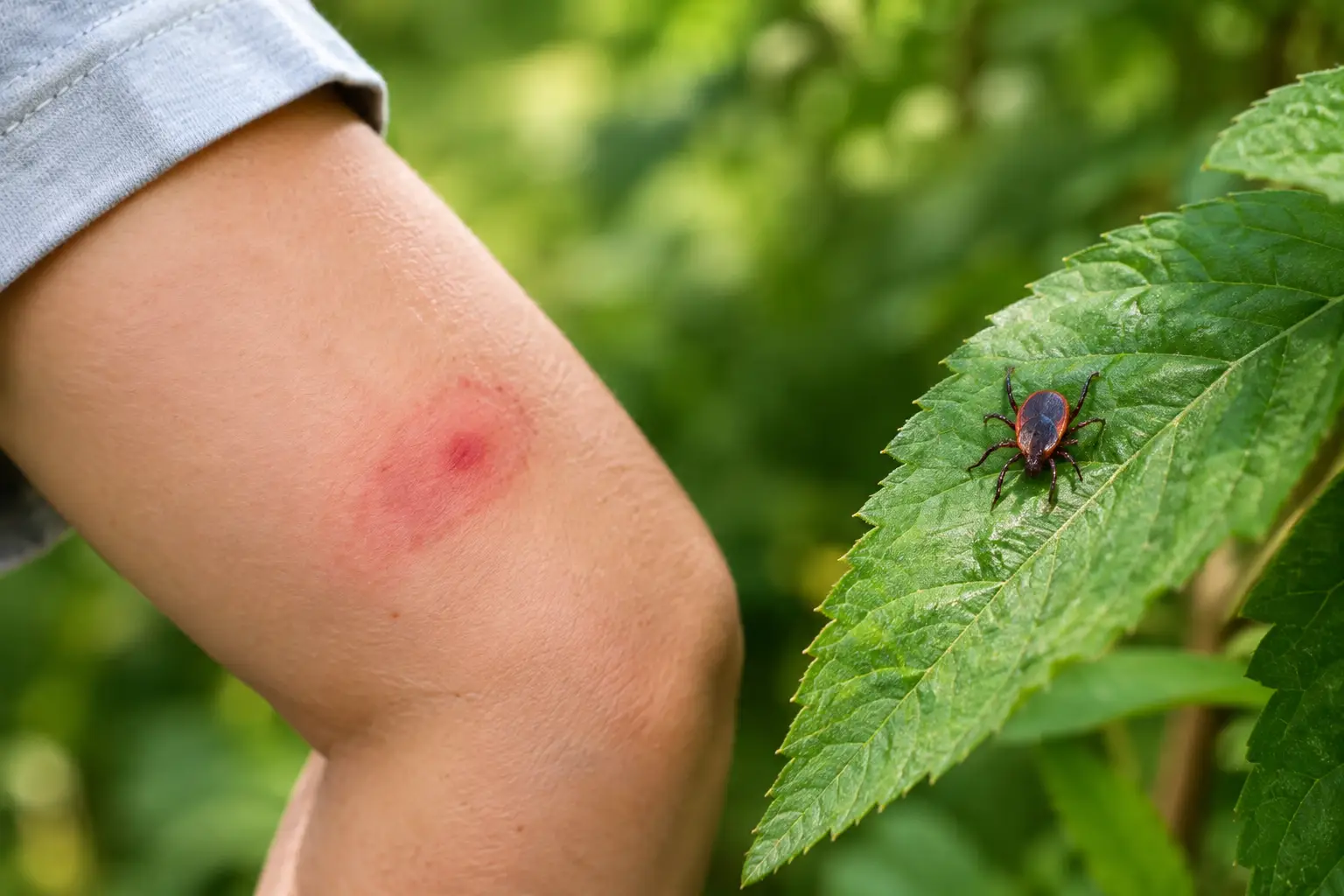
A guide to Lyme coinfections explains overlapping patterns, careful testing context, and whole-person support when symptoms persist or shift over time.

A tick bite is not always a single-organism event. For people whose fatigue, pain, sleep disruption, neurologic concerns, or flu-like episodes keep changing shape, a guide to Lyme coinfections can offer a more useful framework than searching for one simple explanation. This is especially true when you have been told your labs are normal - but you are not.
Coinfections can complicate an already difficult health picture. Their patterns may overlap with Lyme illness, autoimmune concerns, hormonal shifts, thyroid imbalance, digestive issues, chronic stress, or nutrient depletion. A thoughtful evaluation looks at the full timeline rather than forcing every symptom into one category.
Ticks may carry more than one organism, and a person’s response can vary widely. Timing matters. So do past tick exposures, geographic location, immune resilience, sleep, gut function, stress load, and whether symptoms began all at once or accumulated over months or years.
A single lab panel rarely tells the entire story. Testing can be helpful, but it needs context: when symptoms started, whether there was a known bite or rash, what exposures occurred, which body systems are involved, and how symptoms have changed. This is where long-form consultation can be valuable. It gives the practitioner room to listen for details that often get lost in a brief visit.
Lyme-related concerns are often discussed as if there is one standard symptom list. In real life, many people experience a shifting combination of fatigue, brain fog, headaches, joint or muscle discomfort, disrupted sleep, mood changes, temperature sensitivity, digestive changes, palpitations, or exercise intolerance.
Those experiences do not automatically point to a specific organism. They do, however, show why a whole-person review matters. When one system is under strain, other systems can become less resilient. Poor sleep can intensify pain perception. Digestive dysfunction can affect nutrient status. Hormonal transitions can alter energy, mood, and immune balance. A holistic approach does not dismiss the possibility of tick-borne illness. It places that possibility within the larger health picture.
Several tick-borne organisms are frequently considered alongside Lyme illness. Their symptom patterns can overlap substantially, so the goal is not self-labeling. The goal is to recognize why an individualized assessment may need to go beyond one test or one symptom.
Babesia is a parasite that affects red blood cells. People often associate it with episodes of sweating, chills, air hunger, marked fatigue, headaches, or a sense that exertion is unusually difficult. Some people notice symptoms that seem to cycle or flare rather than remain steady.
These patterns can also occur in other situations, which is why context matters. A detailed timeline of fevers, sweats, exercise tolerance, travel, exposures, and changes in energy can help guide a more focused conversation.
Bartonella is often associated with symptoms involving the nervous system, mood, sleep, skin, or circulation. People may describe burning sensations, tingling, unusual foot pain, headaches, light sensitivity, anxiety, irritability, or fragmented sleep. Some also report changing skin markings.
Not every person with these concerns has Bartonella, and not every person with Bartonella has the same presentation. The takeaway is that symptoms affecting the brain, nerves, sleep, and emotional regulation deserve careful attention rather than dismissal.
Anaplasma and Ehrlichia can be associated with abrupt flu-like illness, fatigue, headaches, body aches, and changes in blood markers. Acute episodes may be memorable, but some people are less certain about when their health shifted. A past period of unexplained fever, severe fatigue, or feeling suddenly unwell after outdoor exposure can be a useful detail to include in your health history.
Some tick-borne organisms are less familiar but may still be relevant depending on geography, exposure history, and the overall pattern. This is one reason an ILADS-trained practitioner may take a broader view of persistent, multi-system concerns. The question is not whether every possible organism is present. It is whether the evaluation is asking sufficiently careful questions.
A symptom checklist can be useful, but it is limited. A timeline often reveals more. Write down when you first felt different, what was happening around that time, whether there were outdoor exposures, and which symptoms appeared first. Include major illnesses, stressful life events, hormonal changes, travel, medication changes, mold or water-damage exposure, digestive shifts, and periods of intense exertion.
Also notice the rhythm of symptoms. Do you wake exhausted but feel more functional later? Do you crash after activity? Are nights worse than mornings? Does your energy change around your menstrual cycle or during perimenopause? Do flares follow poor sleep, emotional stress, alcohol, heat, exercise, or certain foods? These observations may assist a practitioner in seeing connections that a single appointment or lab order can miss.
Bring prior lab work, a list of supplements, and a concise symptom timeline to your visit. This does not mean every past result holds the answer. It simply gives your practitioner a fuller starting point.
Testing for Lyme coinfections has real limitations. Timing, immune response, the type of test, and the organism being considered can all influence what appears on paper. A negative result does not always settle a complex case, and a positive marker needs interpretation within the full clinical picture.
This is why advanced lab interpretation should be paired with careful history-taking and a review of foundational systems. Thyroid function, iron status, nutrient sufficiency, blood sugar balance, sleep quality, digestive health, inflammatory patterns, and stress physiology can all influence how someone feels day to day. Looking at these areas is not a distraction from tick-borne concerns. It helps identify the factors that may be adding to the burden.
A naturopathic perspective considers how to support overall health while the underlying picture is being clarified. The focus may include nutrition, digestive function, hydration, sleep rhythms, stress capacity, movement tolerance, and targeted supplements selected for the individual. Natural wellness is not about handing every person the same protocol. It is about choosing strategies that fit the person in front of you.
For some people, the first priority is creating steadier meals and improving digestion so the body has more consistent building blocks. For others, restoring sleep and reducing an overloaded schedule may be central. Someone with significant exercise intolerance may need pacing rather than a demanding fitness plan. Someone navigating perimenopause may need a plan that considers hormonal changes alongside immune and energy concerns.
Botanicals and nutrients may have traditional uses that support immune balance, stress resilience, circulation, digestion, or sleep. They are not interchangeable, and more is not always better. Individual sensitivity, current medications, allergies, pregnancy status, and the broader health picture all matter. A measured plan that balances priorities is often more sustainable than an aggressive approach that leaves someone overwhelmed.
Ask how your complete exposure history and symptom timeline will be considered. Ask what information from prior lab work is useful, where uncertainty remains, and how digestive, endocrine, immune, and nervous-system factors may be contributing. You can also ask how progress will be monitored and how a plan can adapt if your symptoms shift.
For people in Long Island, New York City, and nationwide telehealth settings, finding a practitioner who takes complex cases seriously can change the tone of the conversation. You deserve more than a rushed review of isolated symptoms. You deserve a careful look at the patterns.
This educational content is for informational purposes. If Lyme coinfections are part of your concern, begin with your story: the exposures, the timeline, the changes in your daily life, and the systems that no longer feel balanced. That record can be the first meaningful step toward a clearer, more individualized path that promotes well-being.