
Tick Bite Symptoms Example: What Can Appear?
A tick bite symptoms example can range from a small local bump to a spreading rash or flu-like changes. Learn what to watch, record, and discuss promptly.
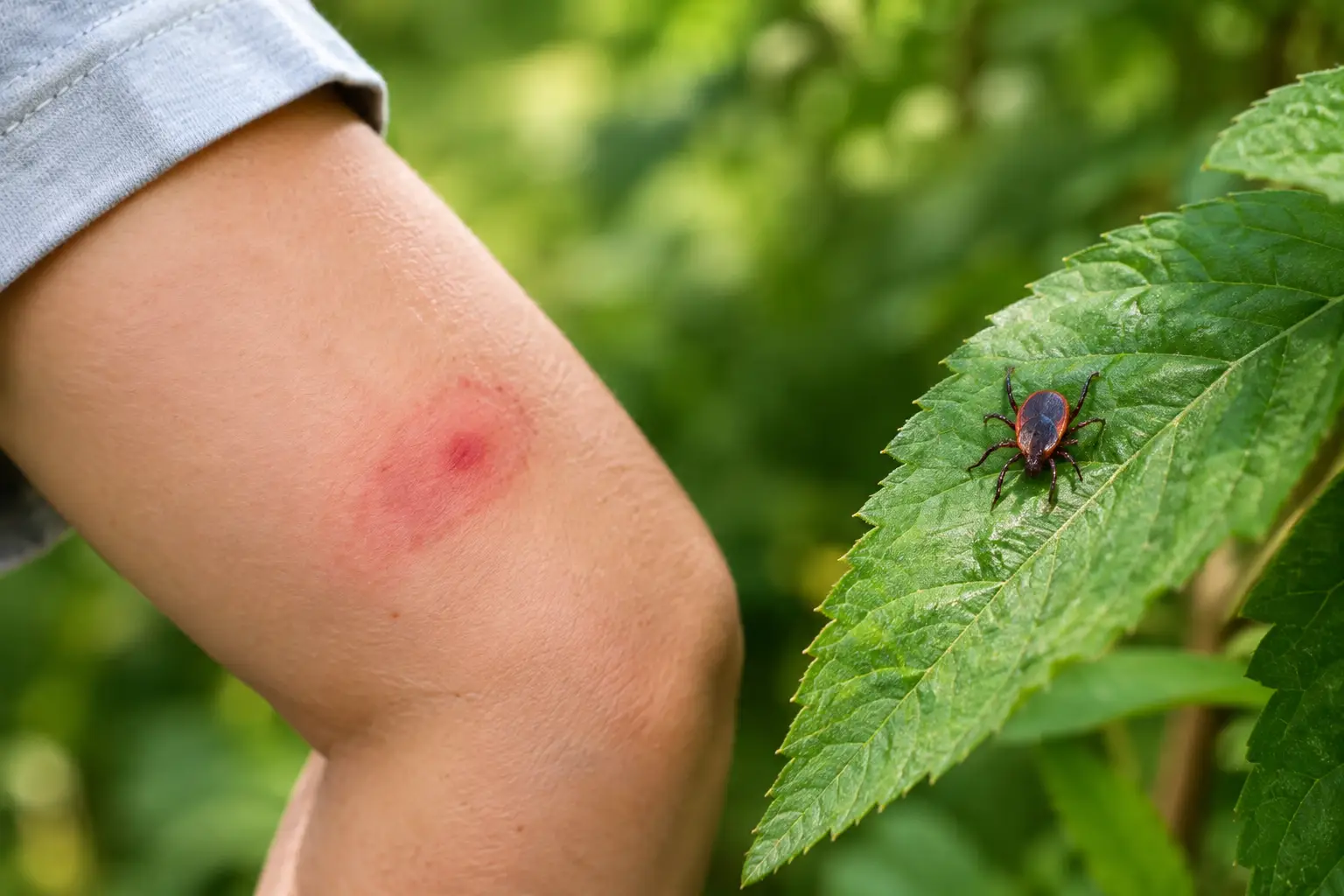
A tick bite symptoms example is not always dramatic. One person may notice a small, itchy red bump that fades within a few days. Another may feel completely well at first, then develop fatigue, head pressure, body aches, or a rash days to weeks later. That difference is why a tick encounter deserves calm attention rather than dismissal - especially if you have a history of unexplained, multi-system symptoms.
Many people never see the tick that bit them. Ticks can be tiny, and their saliva may reduce the immediate sensation of a bite. If you live, work, hike, garden, or spend time with pets in wooded, grassy, or coastal areas of Long Island, New York City, or elsewhere in the Northeast, it helps to know what can appear and what details are worth documenting.
This educational content is for informational purposes. Symptoms after a tick bite can overlap with many other concerns, so a careful clinical conversation matters more than trying to label every change on your own.
A tick bite symptoms example can start at the skin
Immediately after a bite, the skin may show a small red raised area, similar to a mosquito bite. It may itch, feel tender, or have a tiny central puncture. A minor local reaction often stays small and begins settling over a short period of time.
The pattern becomes more noteworthy when redness expands rather than gradually quieting down. A rash associated with Lyme disease is often described as expanding over several days. It can be uniformly red, oval, or circular. While some people picture a classic bull's-eye, that pattern is only one possibility. The center may be clear, darker, or the same color as the outer area.
Skin tone, bite location, and lighting can make rashes difficult to see. A rash on the scalp, back, behind the knee, or under clothing may go unnoticed. Photos taken once daily in similar lighting, alongside a simple measurement of its width, can provide a far clearer picture than memory alone.
A practical example of the timeline
Imagine that you remove a small attached tick from behind your knee on Saturday. On Sunday, there is a pea-sized itchy bump. By Tuesday, the bump is no longer itchy, but a red patch has widened beyond the original area. By Thursday, you also notice unusual fatigue and a mild headache.
That sequence does not automatically tell you what is happening. It does, however, give a clinician useful context: when the exposure happened, how long the tick may have been attached, how the skin changed, and which whole-body symptoms appeared afterward. A clear timeline supports a more thorough review.
Symptoms beyond the bite site
Tick-borne illnesses do not always begin with an obvious rash. Some people first notice a flu-like cluster of symptoms. These can include fever or chills, headache, neck stiffness, muscle or joint aches, low energy, disrupted sleep, and a sense of being unusually unwell.
These symptoms are nonspecific, which means they can occur with many conditions. Still, context matters. New fatigue and achiness after a known tick exposure carry different weight than the same symptoms during a household viral illness or after an unusually demanding week.
Some people report changes that are less easy to explain away: migrating discomfort that moves from one joint or muscle group to another, tingling or numb sensations, light sensitivity, dizziness, concentration difficulties, or a noticeable decline in stamina. These experiences deserve to be heard without assuming they are stress, aging, or simply unrelated symptoms.
A single symptom rarely tells the whole story. The timing, progression, exposure history, prior health history, and combination of systems involved all matter. This is particularly relevant for people who have already been told their labs are normal - but they are not feeling normal.
Not every reaction looks the same
There is no one universal tick bite symptom pattern. Some tick-borne illnesses are associated with fever and prominent body aches; others may be associated with rash, neurologic sensations, or longer-lasting shifts in energy and cognitive function. Co-infections can further complicate the picture, since a tick may carry more than one organism.
It also depends on the person. Someone with an autoimmune history, thyroid imbalance, chronic digestive concerns, or an already stressed nervous system may have a harder time identifying what is new. Their baseline may already include fatigue, pain, poor sleep, brain fog, or changing bowel habits. That does not mean new symptoms should be brushed aside. It means the comparison needs to be more precise.
From a naturopathic perspective, the goal is to look at the whole pattern. Immune activity, gut health, inflammation, stress physiology, sleep, nutrient status, and hormonal balance can all influence how someone experiences an illness and how steadily they regain overall resilience. A holistic approach does not mean ignoring conventional evaluation. It means recognizing that persistent symptoms may have more than one contributing layer.
What to document after finding a tick
A short record can make a later conversation much more productive. Write down the date and approximate location of exposure, where the tick was attached, whether it appeared engorged, and whether you know how long it may have been attached. Note the date of removal and take a photo of any skin change.
Over the next several weeks, jot down meaningful changes rather than trying to track every sensation. Fever, a spreading rash, headache, sleep disruption, new fatigue, body aches, tingling, dizziness, digestive changes, and cognitive shifts are useful details. Include onset dates and whether symptoms are getting better, staying the same, or progressing.
If you saved the tick, keep it in a sealed container or bag and label it with the date and location. Whether that is useful depends on the situation and the type of follow-up you pursue, but accurate exposure details are often more valuable than a vague recollection weeks later.
When prompt attention is warranted
Do not wait and see if you develop a rapidly expanding rash, fever, a severe headache, neck stiffness, facial weakness, fainting, chest discomfort, shortness of breath, new confusion, marked weakness, or sudden neurologic changes. These symptoms warrant prompt professional evaluation.
The same is true if symptoms persist or evolve after the initial bite site seems to fade. The disappearance of a bump does not always answer the larger question of whether the exposure is connected to what you are feeling.
For a routine attached tick without concerning symptoms, remove it as soon as possible with fine-tipped tweezers. Grasp it close to the skin and pull upward with steady pressure. Clean the area afterward. Avoid burning the tick, covering it in substances, or squeezing its body, since those approaches can make removal more difficult.
Why a detailed review matters for lingering symptoms
When symptoms continue, rushed appointments can be frustrating. A brief visit may focus on one symptom at a time, even when the real issue is the sequence: a tick exposure, then fatigue, then poor sleep, joint discomfort, digestive changes, and difficulty concentrating. That sequence is clinically meaningful.
An ILADS-informed, individualized review considers exposure history alongside the full symptom pattern, prior records, relevant laboratory context, and other contributors that may be affecting immune and endocrine balance. For people with complex chronic concerns, this broader lens may assist in organizing a confusing story into practical next steps that support overall health and promote well-being.
Natural wellness strategies may also have a role in supporting sleep, nourishment, digestion, stress regulation, and daily energy while the bigger picture is being evaluated. Traditional uses of herbs and nutrients should be considered carefully and individually, particularly when you take medications or have complex health concerns. Natural does not automatically mean appropriate for every person.
If something feels different after a tick encounter, trust the value of your own timeline. A clear photo, a few dates, and an honest account of how your body has changed can be the beginning of a more thoughtful conversation - one that looks beyond a single symptom and takes your experience seriously.