
12 Best Foods for Adrenal Support and Steady Energy
Learn which are the best foods for adrenal support, plus practical ways to build meals that promote steadier energy and everyday resilience under stress.
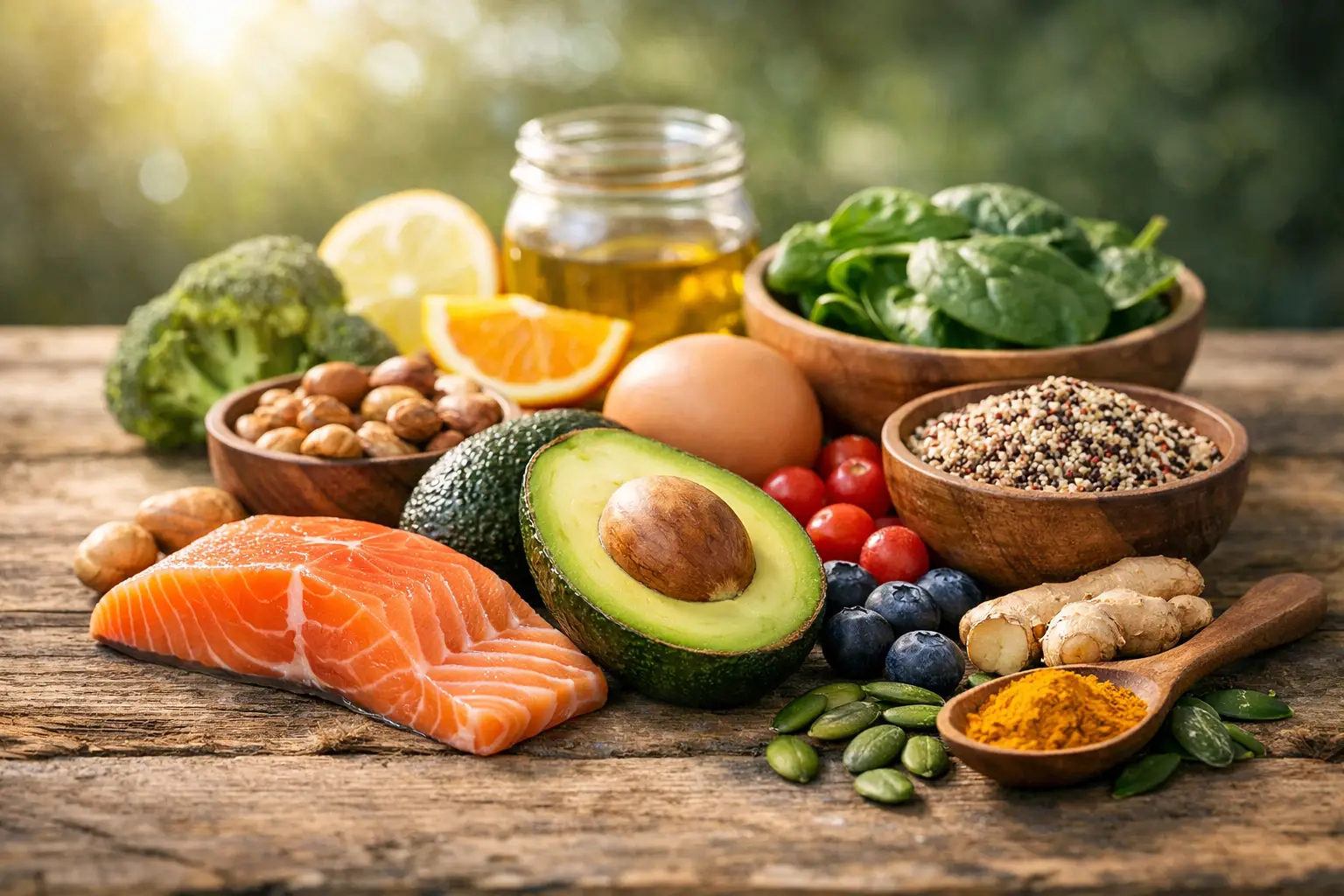
When your energy drops at 2 p.m., you feel wired after a demanding day, or you rely on coffee to get moving, food may be one of the most overlooked pieces of the picture. The best foods for adrenal support do not come from a single superfood or restrictive plan. They create consistent nourishment that supports your body's stress response, steadier blood sugar, and the nutrients involved in overall endocrine function.
This matters especially when you have been told your labs are normal - but you are not feeling normal. Fatigue, disrupted sleep, dizziness, cravings, digestive discomfort, and shifting moods can have many contributors. A thoughtful naturopathic perspective looks at the full pattern: sleep, stress load, digestion, immune activity, thyroid function, hormones, nutrient status, and how reliably you are eating throughout the day.
What adrenal support through food actually means
The adrenal glands produce hormones involved in stress response, fluid balance, and daily energy regulation. Cortisol is only one part of that system. The brain, nervous system, thyroid, gut, liver, and immune system also influence how resilient or depleted you feel.
For that reason, adrenal-focused nutrition is less about chasing a supplement or eating a perfect menu. It is about giving the body regular access to protein, fiber-rich carbohydrates, healthy fats, minerals, and phytonutrients. This pattern may assist with energy stability and supports overall health without placing more stress on an already taxed system.
Long gaps between meals can be difficult for some people, particularly when they are already experiencing shakiness, irritability, intense cravings, or an afternoon crash. Others feel worse with large meals because reflux, IBS, SIBO, or other digestive concerns are part of their picture. The right rhythm depends on the individual, but consistency is usually more useful than extremes.
12 best foods for adrenal support
1. Eggs
Eggs provide protein, choline, B vitamins, and fat in a compact meal. Pairing eggs with vegetables and a fiber-rich carbohydrate such as oats, beans, or roasted sweet potato can create a more sustaining breakfast than coffee and a pastry.
2. Wild-caught salmon and sardines
Fatty fish provides protein, omega-3 fats, selenium, and vitamin D. Omega-3-rich foods fit well into a holistic approach because they support overall health across several systems, including the brain and immune response. Canned sardines can be an accessible option when fresh fish is not practical.
3. Lentils and beans
Lentils, black beans, chickpeas, and other legumes offer fiber, plant protein, magnesium, potassium, iron, and folate. Their slow-digesting carbohydrates can support steadier energy for many people. If beans cause significant bloating, start with a small portion, rinse canned varieties thoroughly, or consider whether digestive function needs closer attention.
4. Sweet potatoes and winter squash
Carbohydrates are not the enemy of adrenal support. Sweet potatoes, butternut squash, and acorn squash provide potassium, vitamin C, carotenoids, and satisfying complex carbohydrates. They can be particularly useful at dinner for people who feel depleted after a long day or who wake hungry overnight.
5. Leafy greens
Spinach, arugula, chard, bok choy, and romaine contribute magnesium, folate, vitamin C, and plant compounds that promote well-being. Magnesium is involved in hundreds of body processes, including muscle relaxation and energy production. If raw greens feel hard on digestion, lightly sautéing or steaming them may be a better fit.
6. Citrus, kiwi, and berries
Vitamin C is concentrated in the adrenal glands, and whole fruits offer it alongside water, fiber, and antioxidants. Oranges, grapefruit, kiwi, strawberries, and blueberries are useful choices. Fruit is often better tolerated when paired with protein or fat, such as berries with plain Greek yogurt or an apple with almond butter.
7. Pumpkin seeds
Pumpkin seeds are a convenient source of magnesium, zinc, iron, protein, and healthy fats. Sprinkle them over oatmeal, soups, salads, or roasted vegetables. A small handful can also make a more supportive snack than candy or crackers alone when an afternoon energy dip hits.
8. Plain Greek yogurt or cultured kefir
For people who tolerate dairy, unsweetened cultured dairy foods can provide protein and beneficial bacteria that support digestive balance. The gut and stress response communicate constantly, which is why digestive symptoms and fatigue often appear together. If dairy aggravates congestion, skin concerns, bloating, or discomfort, do not force it - protein can come from eggs, fish, poultry, tofu, tempeh, or legumes instead.
9. Avocado
Avocado provides potassium, fiber, monounsaturated fats, and a satisfying texture that helps meals feel complete. Add it to eggs, grain bowls, salads, or a turkey-and-vegetable lunch. Adequate healthy fat can help a meal last longer, especially when your schedule makes frequent snacking unrealistic.
10. Oats and other intact whole grains
Steel-cut oats, quinoa, brown rice, buckwheat, and millet provide complex carbohydrates along with minerals and fiber. For many people, completely avoiding carbohydrates can intensify sleep disruption, cravings, and low energy. The key is choosing portions and forms that work with your digestion, activity level, and metabolic needs.
11. Brazil nuts
Brazil nuts are rich in selenium, a mineral relevant to thyroid function and antioxidant defenses. Because selenium is highly concentrated, one or two nuts is generally plenty. More is not always better, and a broad food-first approach is safer than using large amounts of any single nutrient.
12. Mineral-rich broths, soups, and hydrating foods
Hydration is not just about plain water. Soups made with vegetables, beans, chicken, or fish can offer fluid, sodium, potassium, and protein in an easy-to-digest format. Cucumbers, citrus, melon, and berries also contribute fluid. If you have been told to limit sodium or have concerns involving blood pressure, discuss your intake with a qualified clinician before increasing salty foods.
Build meals that keep energy from swinging
The most useful shift is often not adding every food on this list. It is building meals around a simple foundation: protein, colorful plants, fiber-rich carbohydrates, and healthy fat. A breakfast of eggs, sautéed greens, and sweet potato is different from a rushed muffin because it gives the body more sustained raw material for the morning ahead.
At lunch, a salmon and quinoa bowl with greens, avocado, and pumpkin seeds offers protein, minerals, fiber, and fat without requiring complicated natural wellness rules. At dinner, lentil soup with roasted squash and a side of fruit is another practical option. These meals are flexible, not rigid.
Caffeine deserves an honest look as well. Coffee is not automatically a problem, but drinking it before food can amplify jitters, nausea, or a later crash in some people. Consider having breakfast first, choosing a smaller serving, or pairing coffee with a meal. The goal is not deprivation. It is noticing what helps your energy feel more stable.
When food is only one part of the story
Nutrition can be powerful, but it cannot explain every case of persistent fatigue, insomnia, palpitations, digestive changes, or unintentional weight changes. A person with chronic stress, perimenopausal shifts, thyroid concerns, autoimmune activity, long-standing digestive issues, or a history of tick-borne illness may need a more detailed review than generic nutrition advice can provide.
At Dr. Mychael Seubert's practice, the focus is on listening carefully to the full health history and connecting the patterns that are too often considered separately. That may include how digestion, immune function, stress physiology, food tolerance, and endocrine balance interact. Nutrition is then considered in the context of the person rather than as a one-size-fits-all checklist.
This educational content is for informational purposes and is intended to help you ask better questions about your own patterns. Start with one steady meal this week, eat it without rushing when possible, and pay attention to how your body responds. Small, repeatable nourishment can be a meaningful form of support when your system has been carrying too much for too long.