
Diverticulitis Food Guide for Each Phase of Recovery
A diverticulitis food guide for choosing gentler meals during a flare, then rebuilding fiber thoughtfully while honoring your individual digestive needs.
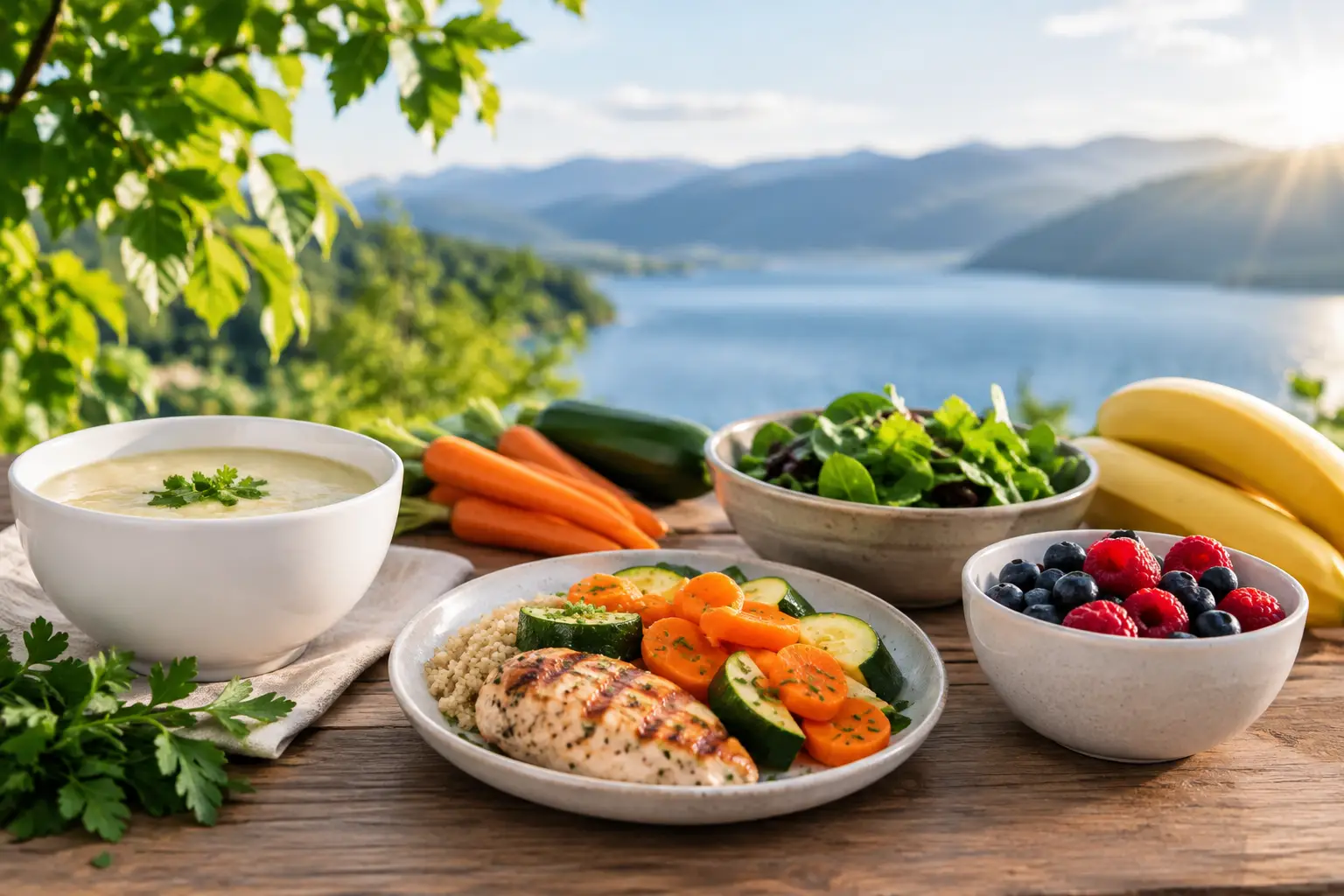
A diverticulitis flare can make eating feel needlessly confusing. One source says to avoid fiber, another says to eat more of it, and you may be left wondering whether a bowl of oatmeal or a handful of berries will make things worse. This diverticulitis food guide separates the short-term need for digestive rest from the longer-term work of building a more resilient, regular pattern of eating.
Food is only one piece of the picture. Bowel habits, hydration, stress load, sleep, medications, prior digestive history, and the pace at which foods are reintroduced can all influence how you feel. If you have severe or worsening abdominal pain, fever, repeated vomiting, fainting, or cannot keep fluids down, seek prompt in-person evaluation.
Why a Diverticulitis Food Guide Needs Phases
Diverticula are small pouches that can form in the wall of the colon. During a flare, the digestive system may be sensitive to volume, rough texture, and foods that leave a significant amount of residue in the bowel. At that point, a temporary lower-fiber approach may assist with comfort and make it easier to maintain fluid intake.
Once symptoms have settled and your clinician has indicated that it is appropriate, the goal usually shifts. Long term, fiber-rich foods, adequate water, and consistent meals often support regular bowel movements and overall colon function. These two approaches are not contradictory. They serve different purposes at different times.
This distinction matters for people who have been told simply to "eat more fiber" when they are actively uncomfortable, or who stay on a restrictive low-fiber menu for weeks because they are afraid to expand their diet. Neither extreme fits every person.
During a Flare: Keep Meals Simple and Gentle
For a short period, some people are directed to use clear liquids. This may include water, broth, electrolyte beverages with modest added sugar, plain gelatin, tea, and strained juice. Clear liquids do not provide enough protein, fat, fiber, or micronutrients for an extended period, so they are generally a brief bridge rather than a long-term eating pattern.
As appetite and comfort return, a low-fiber, lower-residue menu is often easier to tolerate. Think soft, plainly prepared foods in small portions: eggs, yogurt if dairy works for you, tender fish or poultry, white rice, pasta, mashed potatoes without skins, applesauce, ripe banana, and well-cooked vegetables without peels or seeds.
The preparation matters as much as the ingredient. A baked potato without the skin may feel very different from roasted potatoes with crisp skins. Cooked carrots may be manageable while a raw carrot salad is not. Choosing warm, simple meals is not about eating perfectly. It is about reducing variables while your system is unsettled.
What to pause temporarily
During active discomfort, it may be reasonable to pause foods that are bulky, tough, greasy, highly spicy, or personally irritating. That can include raw vegetables, large salads, bran cereal, beans, popcorn, fried foods, alcohol, and heavily processed meals. Carbonated drinks can also add pressure and bloating for some people.
There is no universal list of forbidden foods. For example, dairy may be soothing for one person and aggravating for another, particularly if lactose intolerance or IBS is also present. A short food-and-symptom note can reveal patterns without turning every meal into a stressful experiment.
Reintroducing Fiber Without Overwhelming Your Gut
When you are ready to broaden your menu, bring fiber back gradually rather than jumping from white toast to a large bean-and-kale bowl overnight. A slow progression gives you useful feedback and may reduce gas, cramping, and bloating.
Start with softer sources of soluble fiber. Oatmeal, peeled cooked apples or applesauce, ripe bananas, winter squash, cooked carrots, avocado, and potatoes with some skin may be good first steps, depending on tolerance. Soluble fiber absorbs water and forms a softer gel-like texture in the digestive tract, which many people find gentler than a sudden increase in coarse bran or raw greens.
After that, expand variety. Add cooked vegetables, berries, whole grains, legumes, nuts, and seeds in portions that feel realistic. A practical approach is to introduce one meaningful change every few days. If lentils cause notable pressure or loose stools, that does not mean legumes are permanently off limits. It may mean the serving was too large, the preparation was not ideal, or your gut needs more time.
Hydration is essential when fiber increases. Fiber without sufficient fluid can leave stools harder and more difficult to pass. Water is the foundation, while soups, herbal teas, and water-rich foods can contribute as well. Your individual fluid needs can vary with body size, activity, climate, kidney function, and medications.
The Nuts and Seeds Question
Many adults still avoid nuts, seeds, corn, popcorn, and berries because they were once told these foods could become trapped in diverticula. That concern is understandable, but it is not a reliable rule for everyone.
Outside of an active flare, many people tolerate these foods well, and they can contribute beneficial fiber, fats, and plant compounds that support overall health. The deciding factor is your own response and the texture you can manage. Nut butter, ground flax, chia pudding, finely chopped nuts, or smooth hummus can be gentler ways to test these foods than eating a large portion of whole nuts or popcorn.
During a period of active symptoms, your clinician may suggest a more limited menu. Later, there is usually value in avoiding unnecessary long-term food fear. Natural wellness is not built through rigid restriction. It is built through observing your body, nourishing it consistently, and making adjustments with context.
Build Meals That Support Regularity
A long-term eating pattern for diverticular health does not need to look dramatic. It should be satisfying enough to sustain and flexible enough to fit your workday, family life, and digestive capacity. Aim for regular meals with a source of protein, a tolerated fiber source, color from produce, and nourishing fats.
Breakfast might be oatmeal with yogurt and blueberries. Lunch could be a grain bowl with cooked vegetables, chicken, olive oil, and a modest portion of beans. Dinner may be baked salmon, sweet potato, and sautéed zucchini. These are examples, not rules. For someone with SIBO, IBS, reflux, or a history of food sensitivities, the best starting point may look different.
Constipation deserves attention because straining and infrequent stools can add to digestive discomfort. Fiber may assist, but it is not the only consideration. Meal timing, fluid intake, movement, pelvic floor coordination, thyroid function, stress physiology, and supplement use can all matter. When you have been told your labs are normal - but you are not feeling normal - a more complete review can be valuable.
A Naturopathic Perspective on the Bigger Picture
A holistic approach does not mean assuming every digestive symptom has the same cause. It means asking better questions. Are recurring symptoms connected to an inconsistent diet, poor sleep, chronic stress, slow motility, post-infectious changes, hormonal shifts, or overlapping conditions such as IBS? Are you reacting to the fiber itself, or to a rapid increase in fermentable carbohydrates?
This is where generalized online food lists can fall short. The same high-fiber meal may promote well-being for one person and create substantial bloating for another. A thoughtful plan balances the benefits of plant diversity with the need to make meals digestible in your current season of health.
For people with persistent digestive concerns, a GastroANP-informed naturopathic perspective can look beyond a single food trigger and consider the gut, immune, endocrine, and stress-response systems together. The goal is not a restrictive menu that you follow indefinitely. It is a clear, individualized framework that supports overall health while respecting your symptoms and history.
When Food Changes Are Not Enough
Contact a qualified clinician promptly for new, intense, or worsening symptoms, particularly fever, significant abdominal tenderness, rectal bleeding, ongoing vomiting, or inability to drink enough fluids. Recurrent episodes, unexplained weight changes, or continuing bowel changes also deserve a careful conversation rather than repeated self-restriction.
A food plan can be a meaningful part of your daily support, but it should never require you to ignore concerning symptoms. Educational content is most useful when it helps you ask better questions, notice patterns, and feel less alone in a condition that can be frustrating and unpredictable.
The most supportive next meal is often not the most restrictive one. It is the one that matches where your digestion is today, gives your body dependable nourishment, and leaves room to rebuild confidence with food over time.