Can Lyme disease cause anxiety? Learn how inflammation, sleep, stress, and tick-borne illness can overlap, and when broader evaluation may help.
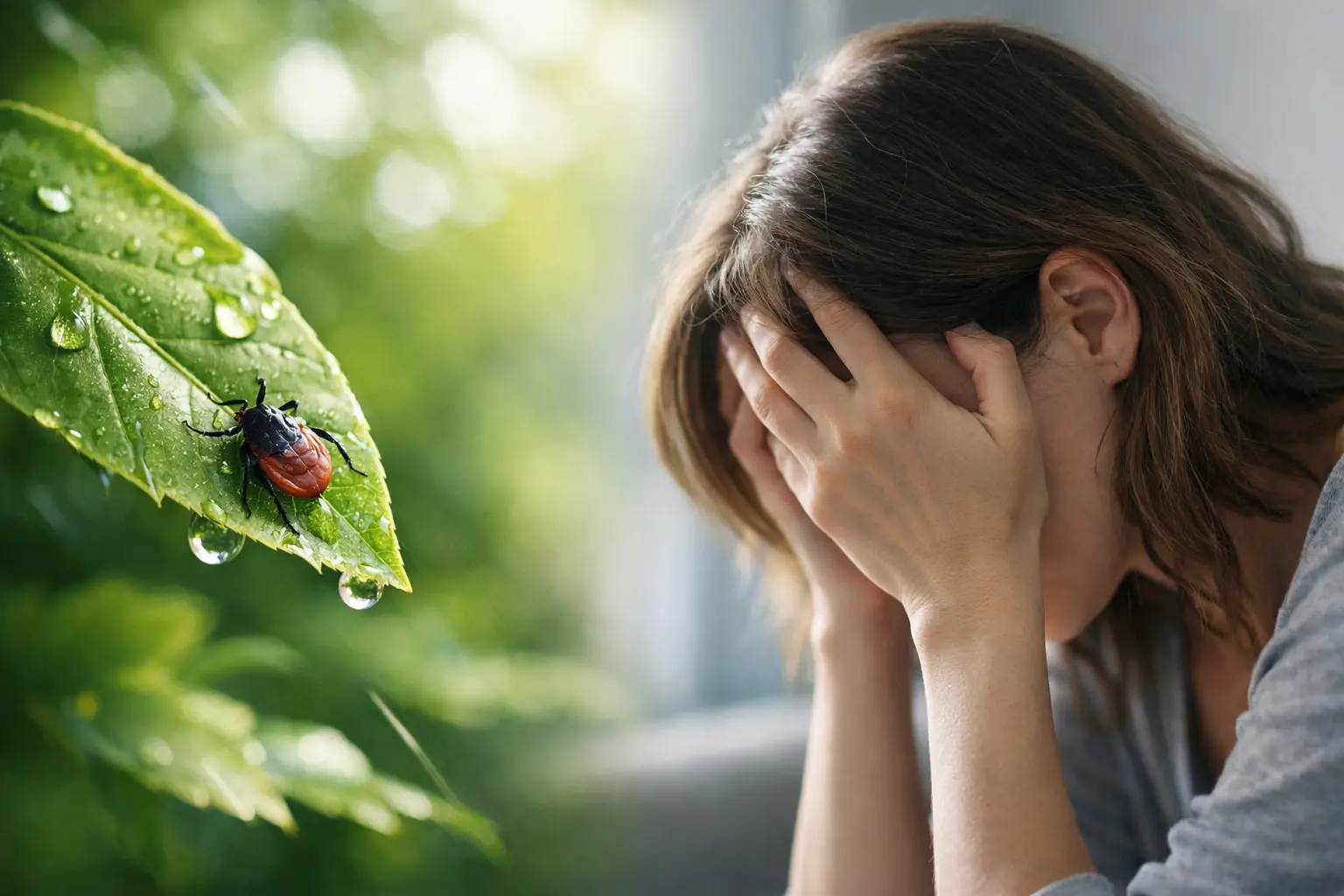
When anxiety arrives alongside fatigue, poor sleep, brain fog, body pain, dizziness, or a history of tick exposure, it can feel impossible to separate what is emotional from what is physical. Many people ask, can Lyme disease cause anxiety? The honest answer is that Lyme disease and anxiety can overlap in meaningful ways, but anxiety alone does not point to one clear underlying cause. A careful, whole-person review matters - especially when you have been told your labs are normal, but you are clearly not feeling normal.
Lyme disease may be associated with anxiety symptoms in some people, particularly when illness affects sleep, energy, cognitive function, the nervous system, or the body’s inflammatory signaling. That does not mean every episode of anxiety is caused by Lyme disease, nor does anxiety by itself establish whether a tick-borne illness is present.
For some people, the shift is striking. They may describe a new sense of dread, a racing mind, panic-like sensations, irritability, heightened sensitivity to sound or light, or difficulty settling down at night. Others have had anxiety before, but notice that it becomes much more intense alongside a broader set of symptoms.
The key is context. Anxiety deserves to be taken seriously as its own experience, while also being considered alongside the rest of the picture: timing, exposures, immune history, digestion, hormonal changes, sleep quality, medications, nutrient status, and the pattern of symptoms over time.
There is rarely one neat explanation for complex symptoms. From a naturopathic perspective, anxiety may reflect several systems under strain at once rather than a problem isolated to the mind.
The immune system and nervous system are in constant communication. When the body is under prolonged inflammatory stress, that signaling can influence mood, concentration, sleep, and the sense of being on edge. Some people with persistent, multi-system symptoms describe feeling as though their nervous system is stuck in high alert.
This does not mean anxiety is "all in your head." It means the body’s stress response, immune activity, and brain-body signaling may need to be considered together. The relationship is complex and varies significantly from person to person.
Poor sleep can magnify anxiety quickly. Night sweats, pain, restlessness, frequent waking, vivid dreams, palpitations, or a cortisol pattern that feels out of rhythm can leave a person exhausted but unable to relax. After enough disrupted nights, small stressors can feel overwhelming.
Sleep is also one reason an individualized review is valuable. The question is not simply whether you sleep eight hours. It is whether your sleep is restorative, whether you wake wired or depleted, and what else may be interfering with recovery.
A rapid heartbeat, shortness of breath, dizziness, trembling, nausea, tingling, temperature changes, and chest tightness can occur with anxiety. They can also occur with other physiologic processes. When those sensations are unpredictable, the fear of the next episode can become its own source of distress.
This is particularly relevant for people who have been bounced between specialists without a unifying explanation. Being told that symptoms are only stress-related can be deeply discouraging when your body is sending signals that something feels off. Stress can matter without being the entire story.
Living with fluctuating symptoms, canceled plans, reduced capacity, and unanswered questions creates a real psychological burden. People may worry about work, family responsibilities, finances, or whether they will ever feel like themselves again. Anxiety in this setting is not a personal failure. It can be a reasonable response to a prolonged period of uncertainty.
A thoughtful approach does not assume that every symptom has one source. Anxiety may overlap with thyroid changes, perimenopause, anemia, blood sugar swings, nutrient depletion, digestive dysfunction, mold exposure, medication effects, post-viral changes, chronic stress, or other immune concerns. Tick-borne infections can also be part of a larger, layered health history.
This is why a rushed conversation can miss important patterns. A person may have a prior Lyme history and also be dealing with irregular meals, reflux, SIBO-related digestive disruption, hormonal shifts, or months of inadequate sleep. Each factor may add to the overall load on the nervous system.
A root-cause lens does not promise one simple answer. It asks better questions about what changed, what worsens symptoms, what improves them, and which systems may be out of balance. That process may assist people who have felt reduced to a single symptom or a single lab value.
For persistent anxiety with broader physical symptoms, it helps to organize the timeline before a consultation. Consider when symptoms began, whether there was known tick exposure or a rash, what else was happening at the time, and how symptoms have changed. Prior records, lab work, imaging reports, medication and supplement lists, and a clear symptom timeline can all add useful context.
It is also worth paying attention to daily patterns. Does anxiety spike before meals, during the night, after exertion, around your menstrual cycle, or during digestive flares? Do palpitations come with standing, heat, or dehydration? Does brain fog follow poor sleep? These observations do not provide a complete answer on their own, but they can guide a more focused conversation.
An ILADS-trained practitioner may look beyond a narrow checklist when tick-borne illness is part of the history. Rather than viewing anxiety as separate from the rest of the body, the goal is to understand potential connections among immune function, gut health, hormones, stress physiology, nutrition, and nervous system regulation.
A holistic approach should be individualized, not generic. For one person, the first priority may be stabilizing meals and blood sugar. For another, it may be sleep routines, digestive support, pacing activity, or reviewing whether supplements are appropriate for their current symptoms. Natural wellness strategies are most useful when they fit the person in front of you rather than following a one-size-fits-all protocol.
Foundational habits can support overall health: regular nourishment, hydration, gentle movement within tolerance, consistent sleep and wake times, time outdoors, and practices that help the nervous system downshift. These measures do not erase the complexity of chronic illness. They can, however, create a steadier baseline while broader contributors are explored.
Supplement and nutrition protocols should also be thoughtfully matched to the individual. Traditional uses of certain botanicals and nutrients may support relaxation, sleep, or stress resilience, but "natural" does not automatically mean appropriate for everyone. Interactions, sensitivities, pregnancy, existing conditions, and current medications all matter.
Anxiety deserves prompt attention when it is escalating, disrupting your ability to function, or accompanied by severe physical symptoms. If you feel unsafe, have thoughts of harming yourself, experience new confusion, fainting, severe chest pain, or significant trouble breathing, contact 988, emergency services, or a local urgent care resource right away.
For less urgent but ongoing concerns, it can help to involve both mental health support and a practitioner who is willing to investigate the physical context. You do not have to choose between being heard emotionally and having your full health history taken seriously.
If anxiety has become part of a larger pattern of unexplained symptoms, the most useful next step may be a deeper conversation rather than another quick dismissal. Dr. Mychael Seubert’s practice in Long Island offers a patient-centered naturopathic perspective for people navigating complex chronic concerns. This educational content is for informational purposes, but the central message is simple: your symptoms deserve careful attention, and your experience deserves to be heard.