Looking for the best diet for ulcerative colitis? Learn which foods may calm flares, support the gut, and fit a more individualized plan.
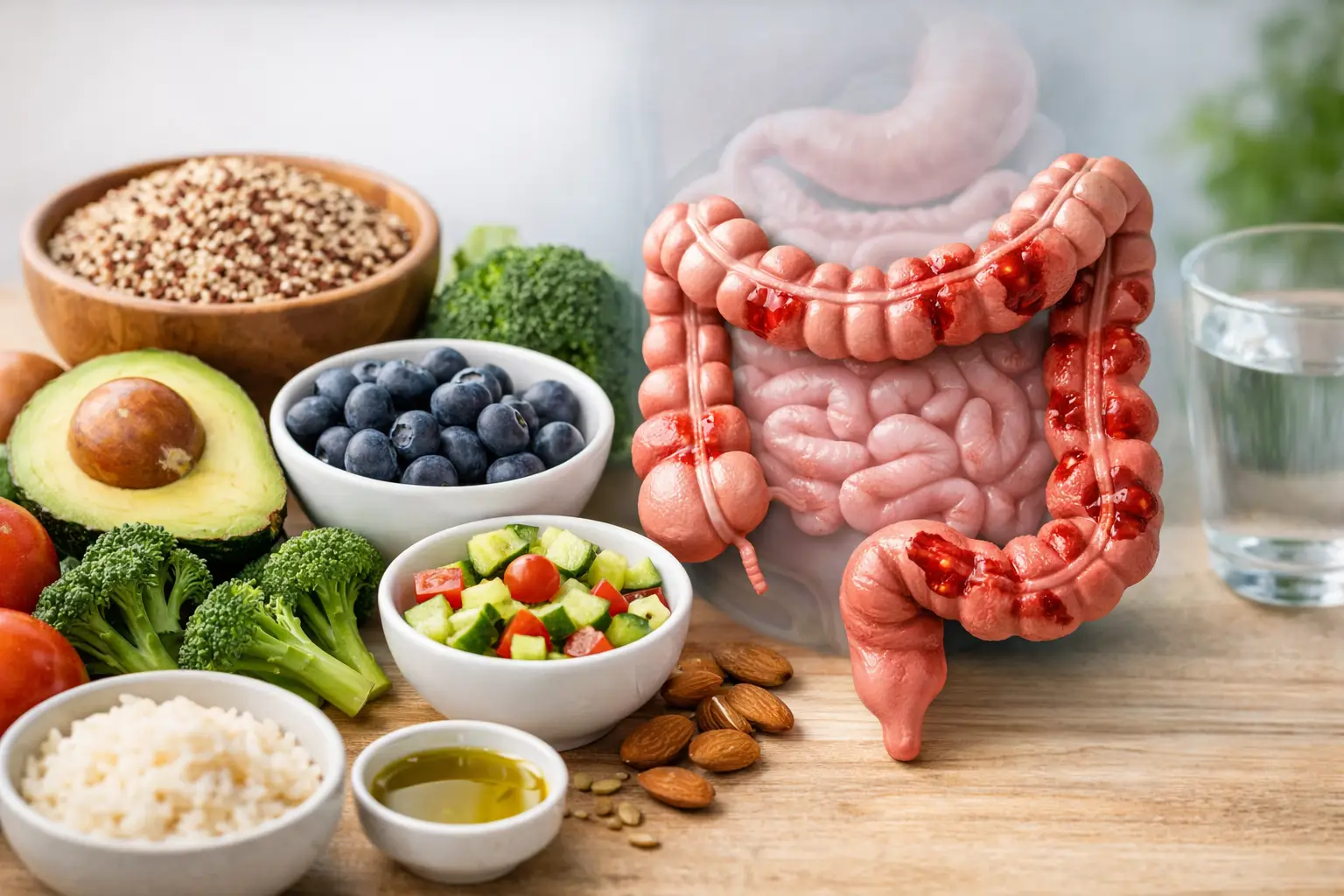
If you have ulcerative colitis, you already know the frustrating part: two people can eat the exact same meal, and one feels fine while the other pays for it for the next two days. That is why the best diet for ulcerative colitis is rarely a single named plan. It is a thoughtful, individualized way of eating that reduces irritation, supports overall health, and balances nourishment with symptom awareness.
This matters even more when you have been told your labs are normal - but you are not. Many people with chronic digestive issues have already tried broad advice like "eat more fiber" or "just avoid spicy food" and found that it barely scratches the surface. From a naturopathic perspective, food choices often need to be adjusted based on flare intensity, stool frequency, energy, nutrient status, and how your gut is tolerating fats, fiber, dairy, and fermentable carbohydrates at that moment.
The most honest answer is this: the best diet for ulcerative colitis is usually a lower-irritant, nutrient-dense, highly personalized diet that changes with your symptoms.
During more active periods, many people do better with softer, simpler foods that are easier to digest. During calmer periods, the focus often shifts toward rebuilding variety, maintaining nutrition, and identifying foods that support a healthier gut environment without pushing the digestive tract too hard. A plan that works beautifully during one phase may feel terrible during another.
That is why rigid food rules can backfire. A diet that is too restrictive may assist with symptom reduction in the short term but can also leave you undernourished, overly anxious around food, and missing the wider picture of digestive resilience, immune balance, and natural wellness.
Ulcerative colitis is not just about the colon reacting to one "bad" food. Food tolerance can shift based on inflammation, stress, sleep, hydration, microbiome changes, prior antibiotic use, and whether other digestive issues are present at the same time. It is not unusual for someone with ulcerative colitis to also struggle with IBS-like symptoms, reflux, bloating, or suspected SIBO patterns.
That overlap is where simplistic food advice often fails. For example, a food may be considered healthy in general but still be poorly tolerated if it is very fibrous, highly fermentable, or mechanically irritating. Raw kale, large salads, beans, popcorn, or a heavy smoothie may look nutritious on paper yet feel awful in a sensitive gut.
On the other hand, some people become so cautious that they end up eating only a handful of foods for months. That may feel safer, but over time it can narrow nutrient intake and make the diet harder to sustain. The goal is not perfection. The goal is a food pattern that promotes well-being while staying realistic.
When symptoms are more active, many people tolerate foods with a softer texture and lower residue. This does not mean these foods are ideal forever. It means they may be gentler when the gut is struggling.
Commonly better-tolerated choices include cooked white rice, oatmeal if tolerated, applesauce, bananas, peeled potatoes, well-cooked carrots or squash, eggs, tender fish, shredded chicken, smooth nut butter in small amounts, and simple soups. Some people also do well with sourdough toast, cream of rice, or plain noodles for a period of time.
The pattern here is straightforward: less roughage, less grease, less volume, and fewer ingredients per meal. Smaller meals can be easier than large ones, especially if urgency, cramping, or fatigue is already high. Hydration also matters more than many people realize. Ongoing loose stools can leave you feeling weak, foggy, and depleted even before you notice obvious signs of imbalance.
There is no universal trigger list, but several categories are more likely to cause trouble. Raw vegetables, popcorn, nuts, seeds, corn, greasy takeout, alcohol, very spicy meals, and heavily processed foods are common culprits. For some people, dairy is a problem. For others, dairy is tolerated fine while onions, garlic, or high-fructose foods are the bigger issue.
Sugar alcohols and highly sweetened "health" products can also be surprisingly aggravating. Protein bars, sugar-free gum, flavored waters, and low-carb snacks often contain ingredients that are hard on a sensitive digestive tract.
Caffeine is another gray area. Some people tolerate modest amounts, while others notice more urgency and cramping even from one cup of coffee. This is where symptom tracking becomes more useful than general rules.
Instead of jumping from one restrictive plan to another, start by simplifying. Choose a short list of well-tolerated basics for several days, then reintroduce foods methodically. This gives you clearer feedback than changing ten variables at once.
A simple food and symptom journal can help, but keep it realistic. You do not need to document every crumb forever. For one to two weeks, note meals, bowel changes, urgency, bloating, pain, energy, and anything unusual like poor sleep or major stress. Patterns often become obvious when you look at the full picture rather than blaming the last thing you ate.
This is also where a holistic approach matters. If your digestion worsens every time stress spikes, if hormonal shifts affect bowel patterns, or if fatigue and food reactivity rise together, those clues matter. The gut does not operate in isolation.
Sometimes, yes - but carefully.
A low-fiber or low-residue approach may assist during flares because it reduces mechanical irritation. That can be helpful in the short term, but staying low fiber indefinitely is not always ideal for the microbiome or long-term dietary variety.
A low-FODMAP plan may help if bloating, gas, and IBS-like symptoms are significant, especially when ulcerative colitis overlaps with other digestive patterns. But it is not designed to be permanent. Used too loosely or for too long, it can become unnecessarily restrictive.
An anti-inflammatory style of eating is appealing and often useful as a broader framework. This usually means prioritizing whole foods, quality protein, cooked vegetables as tolerated, omega-3-rich foods, and minimizing ultra-processed foods. Still, even "anti-inflammatory" foods are not automatically well tolerated during active gut irritation. A large raw salad with seeds may fit the wellness image and still be a disaster for your digestion.
That is the key trade-off: what is broadly healthy is not always what is currently tolerable. The best plan respects both.
One of the biggest mistakes in restrictive eating is assuming that if symptoms settle somewhat, the diet must be working well overall. Sometimes the opposite is true. If you are eating very little variety, skipping meals because you are afraid to eat, or relying on beige carbohydrates alone, your body may not be getting enough protein, iron, B vitamins, minerals, or calories.
This can show up as fatigue, lightheadedness, poor recovery, hair changes, low stamina, or feeling drained for reasons that seem bigger than digestion alone. In a complex chronic case, those patterns deserve attention. Nutrition should do more than avoid irritation. It should support overall health.
From a naturopathic perspective, nutrition for ulcerative colitis works best when it is part of a larger clinical conversation. Stool consistency matters, but so do stress burden, sleep quality, thyroid patterns, immune balance, past antimicrobial exposure, and whether other digestive factors may be shaping food tolerance.
This is especially relevant for people who have seen multiple specialists and still feel like no one has connected the dots. A rushed food handout is rarely enough in a complicated case. Individualized guidance can help you sort out whether your symptoms are being driven more by mechanical irritation, fermentation, food sensitivity patterns, nervous system overload, or a combination of factors.
That kind of process is more useful than chasing the latest online diet trend. It is slower, but it is smarter.
For many people, a sustainable foundation looks like this: eat enough, keep meals simple, favor cooked and easy-to-digest foods when symptoms rise, add variety gradually when symptoms are calmer, and pay attention to patterns instead of assuming every setback has one cause.
There is room here for traditional uses of soothing foods like broth-based soups, plain starches, and gentle herbal support, as long as they fit the individual and are used as part of a broader plan. Educational content can help you ask better questions, but your body still gives the final answer.
If you feel stuck, the next right step is not usually a harsher elimination diet. It is a more precise one. The best diet for ulcerative colitis is the one that respects your current limits, promotes well-being, and leaves room for your health to become more stable over time.